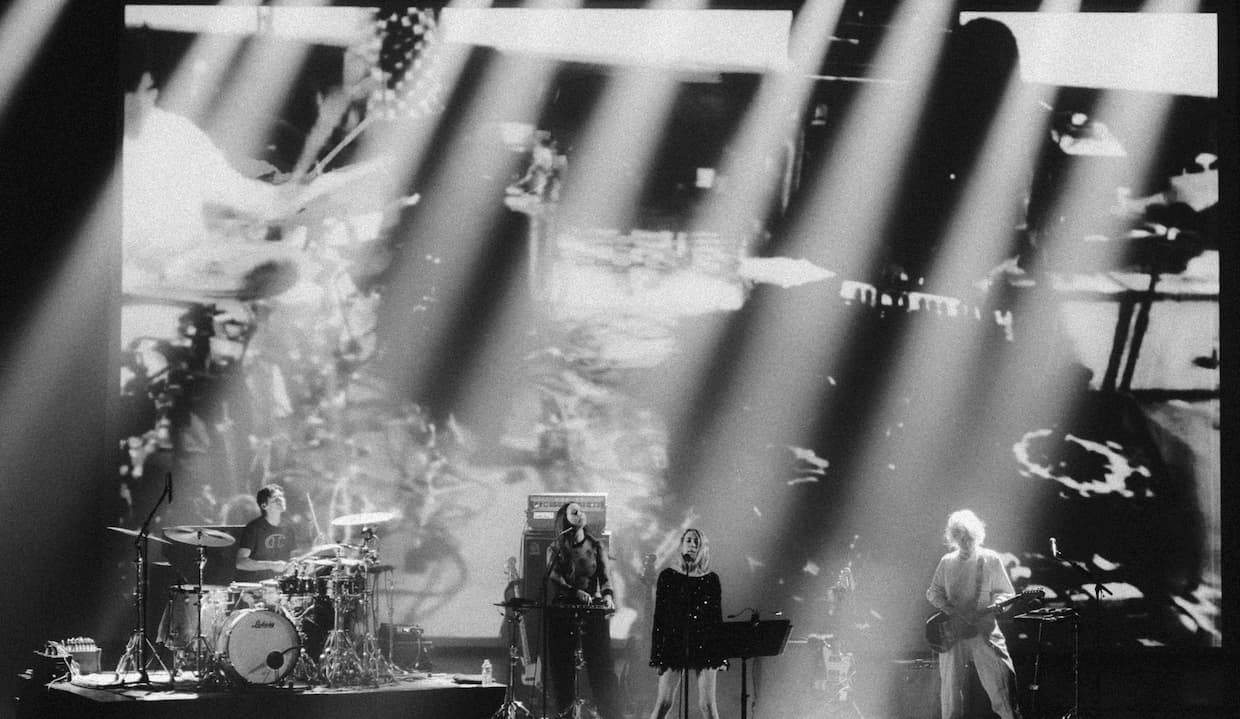
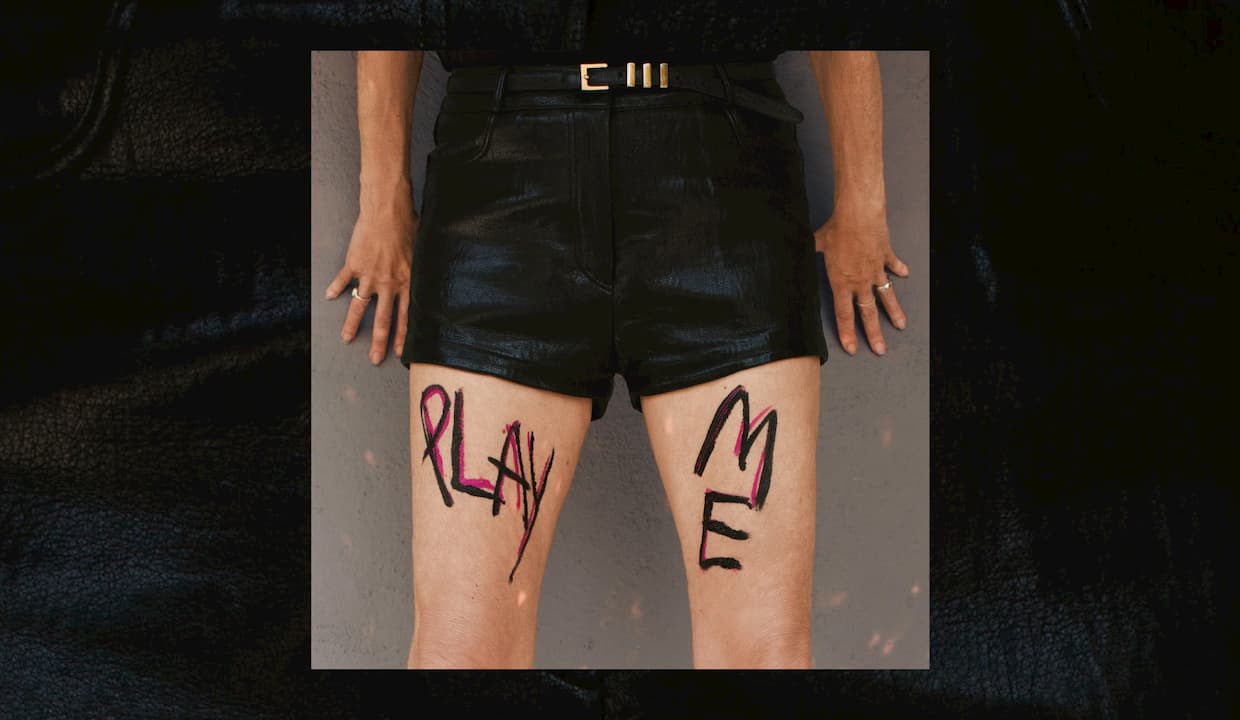
Kim Gordon, the former bassist of Sonic Youth, is releasing her third solo album Play Me.
In the early 1980s, Kim Gordon (US) co-founded the superb and groundbreaking guitar-noise collective Sonic Youth, which came to an abrupt end exactly 15 years ago. Since then, she has had an indelible influence on music, art, literature, and film.
After a career spanning around 40 years, she unexpectedly “debuted” on her own in 2019 with the phenomenal album No Home Record. Her second solo album, The Collective, also made a strong impression.
On Wednesday 15 April she will present her third solo album Play Me at Ancienne Belgique, and there are still tickets available!
- ‘Kim Gordon is now into the sixth decade of her artistic career. For most, that may represent the dimming of the light. Turns out, that quite literally means nothing in this context. This album, sits on the cutting edge of experimental avant-garde and electronic music, coming from a woman in her early seventies. ‘ – CLASH
- ‘The godmother of alt-rock fearlessly turns to beats. Life begins at 72 as the Sonic Youth icon deconstructs these doom-scrolling times via a trip-hop driven nightmare.’ ★★★★☆ NME
- ‘On every level, PLAY ME is the most populist and literalist music Gordon has ever made. There are fewer jagged ruptures than on her previous solo records, more clearly demarcated beats, hooks that resemble hooks. The loops recur and aren’t so violently flayed open. They chug forward with modulating basslines and a steady krautrock insistence. At just under 28 minutes, PLAY ME is addictive and brisk, ending by the time you’ve finished the washing up.’ - 7.0 Pitchfork
- ‘Those unaccustomed to Kim Gordon’s solo work might be reaching to check they’ve pressed play on the right thing. While best known for co-fronting slacker-rock antiheroes Sonic Youth, she’s ploughed a very different path since the group folded. ‘PLAY ME’ - Kim’s third album in a decade with producer Justin Raisen - kicks off with a dusty, swaggering groove and lazy lounge brass, more West Coast G-funk than NYC garage fuzz. Throughout, the vibe is characterised by glitchy beats and abrasive sounds, heavily leaning into hip hop and trap.’ - ★★★★ DIY